Choosing the right exterior sign shapes how people find, recognize, and remember your business. ProPrint Signs helps businesses think through three common outdoor signage options: channel letters, monument signs, post-and-panel signs, and how each one supports visibility, branding, and location needs. The best choice depends on where the sign will sit, how people approach your property, and what impression you want to make before someone walks through the door.
Which outdoor sign is right for your business?
The right outdoor sign is the one that matches your building, audience, viewing distance, and long-term branding goals. Channel letters usually work best on building facades where you want strong brand visibility. Monument signs are ideal for properties that need a substantial ground-level presence, while post-and-panel signs are a practical choice for wayfinding, smaller sites, temporary needs, or budget-conscious projects.
A good sign decision starts with a simple question: how will customers see you? A pedestrian walking past a storefront has different needs than a driver scanning a multi-tenant property from the road. Before selecting materials or colors, consider traffic speed, sightlines, lighting, landscaping, local rules, and how much information the sign needs to communicate.
Channel letters create strong building-mounted branding
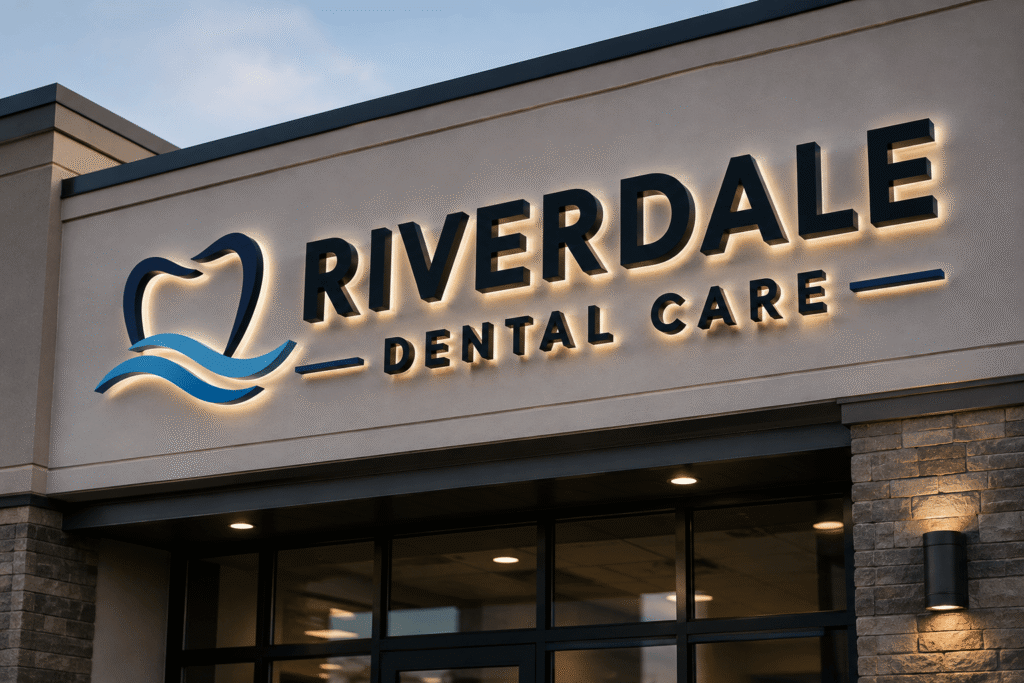
Channel letters are individual dimensional letters or shapes mounted to a building exterior. They are often used for retail storefronts, restaurants, offices, clinics, gyms, and other businesses that want their name to stand out directly on the facade. Because each letter is separate, the finished look tends to feel clean, professional, and brand-focused.
One major advantage of channel letters is visibility. Their dimensional form gives the sign depth, and depending on the design, lighting can help the business remain noticeable after dark. Front-lit, backlit, and halo-lit effects can all create different moods, from bold and bright to polished and refined.
Channel letters are especially useful when:
- Your building face has good visibility from the street or parking area.
- You want your brand name or logo to be the main focus.
- Your business operates into the evening and may benefit from illumination.
- You want a permanent, professional exterior presence.
- Your lease or property guidelines allow facade-mounted signage.
The main limitation is placement. If your building sits far back from the road, is blocked by trees, or shares a complex with several tenants, channel letters alone may not be enough. In those cases, they often work best alongside a monument sign or directional signage.
Monument signs establish a confident property presence
Monument signs are freestanding signs installed close to ground level, often near entrances, driveways, or property edges. They can be built with a range of materials and finishes to complement the architecture around them. For many businesses, a monument sign communicates permanence and makes the property easier to identify from the road.
This option is common for business parks, medical campuses, schools, churches, apartment communities, banks, professional offices, and multi-tenant centers. Unlike a sign mounted to a wall, a monument sign can be positioned where approaching drivers are most likely to see it. That makes it valuable when the building itself is set back or not immediately visible.
Monument signs can also support brand perception. A well-designed sign can feel established and welcoming without needing to be loud. For multi-tenant properties, it can organize several business names in one location and reduce confusion for visitors.
When considering a monument sign, think about:
- Viewing distance: The sign must be readable from the road without forcing drivers to slow unexpectedly.
- Site conditions: Landscaping, slopes, sidewalks, and driveways can affect placement.
- Lighting: External or internal illumination may improve visibility in low-light conditions.
- Local requirements: Many areas regulate sign size, height, setbacks, and illumination.
- Future changes: Multi-tenant panels or replaceable sections may be helpful if occupants change.
A monument sign can be one of the most impactful outdoor signage options: channel letters, monument signs, post-and-panel signs each serve a different purpose, but monument signs often anchor the property as a whole.
When does post-and-panel signage make the most sense?
Post-and-panel signage makes the most sense when you need a clear, flexible, and cost-conscious freestanding sign without the heavier presence of a monument sign. It typically includes one or more posts supporting a flat sign panel, making it useful for identification, directional guidance, real estate, construction, parking, and smaller business locations.
This style is straightforward, but that does not mean it has to look generic. With thoughtful layout, durable materials, clean typography, and brand colors, a post-and-panel sign can present a polished image while keeping the message easy to read. It is often a smart fit for organizations that need function first, especially when the sign may need to be updated, relocated, or replaced later.
Post-and-panel signs are helpful for:
- Entrance identification for smaller properties.
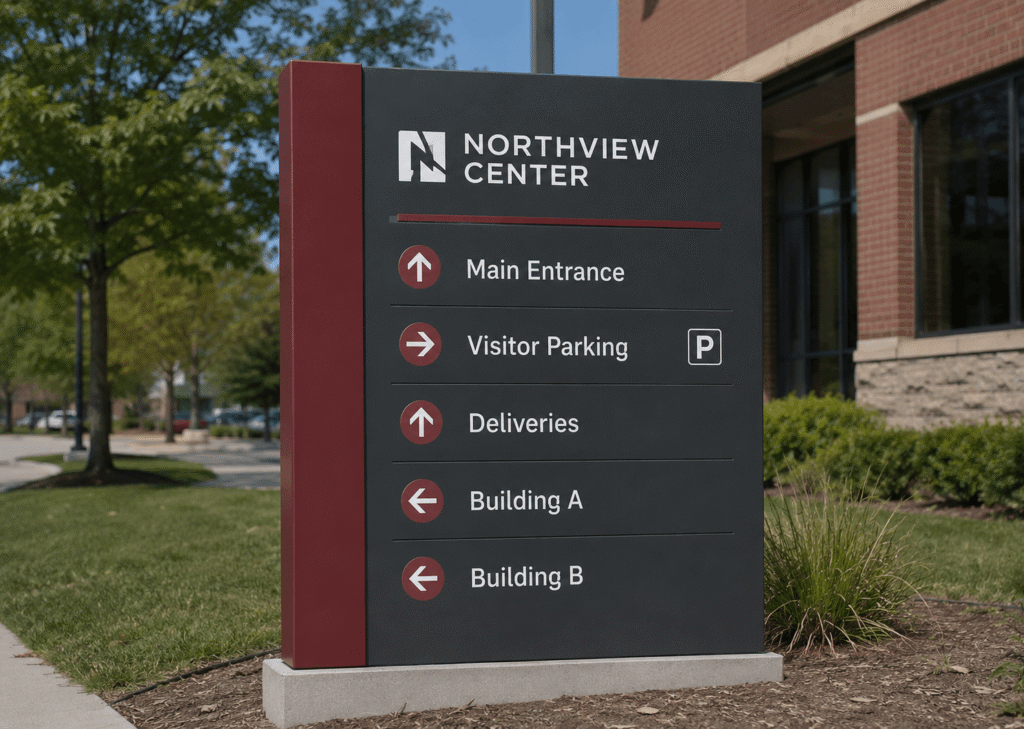
- Directional signs around campuses, lots, or business parks.
- Temporary or semi-permanent project signage.
- Real estate and leasing displays.
- Parking, delivery, or visitor instructions.
- Locations where a monument sign would be more than the site requires.
The tradeoff is visual weight. A post-and-panel sign usually does not create the same architectural impact as a monument sign, and it may not feel as premium for brands that want a high-end entrance statement. Still, when clarity and practicality matter most, it can be the most efficient choice.
Visibility, durability, and design should guide the decision
Outdoor signs have to work in the real world. They face sun, weather, traffic, visual competition, and quick viewing moments. A sign that looks attractive up close may fail if the lettering is too small, the contrast is weak, or the placement does not match how people approach the site.
A practical comparison can be made this way:
- Choose channel letters when the building is the main landmark and your brand name needs strong facade visibility.
- Choose a monument sign when the property entrance needs a permanent, substantial marker that drivers can notice from the road.
- Choose post-and-panel when you need flexible, clear, freestanding communication for identification, direction, or temporary site needs.
- Combine sign types when one sign cannot solve every visibility challenge, such as a building sign for branding and a ground sign for roadside recognition.
Design details matter across all three options. High-contrast colors improve readability, simple typefaces help at a distance, and concise messaging prevents clutter. Your logo should be recognizable, but it should not overpower legibility. The goal is not just to make a sign that looks good in a proof; it must perform when someone has only a few seconds to see it.
A practical checklist before you order
Before committing to a sign type, gather the information that affects design, production, and installation. This helps ProPrint Signs recommend an option that fits the site instead of forcing a one-size-fits-all answer.
Use this checklist as a starting point:
- Take photos of the building, entrance, road frontage, and parking areas.
- Note whether viewers are mostly drivers, pedestrians, or both.
- Identify the main viewing distance and direction of approach.
- Check if the sign needs illumination or reflective visibility.
- Review landlord, property management, or municipal requirements.
- Decide what must appear on the sign: name, logo, address, tenants, arrows, or hours.
- Consider whether the sign may need future updates.
- Set priorities, such as maximum visibility, premium appearance, flexibility, or budget control.
These details can prevent common problems, such as signs that are too small, placed in a poor sightline, or overloaded with information. They also make the design process smoother because the sign can be planned around real viewing conditions.
The best sign supports both wayfinding and brand trust
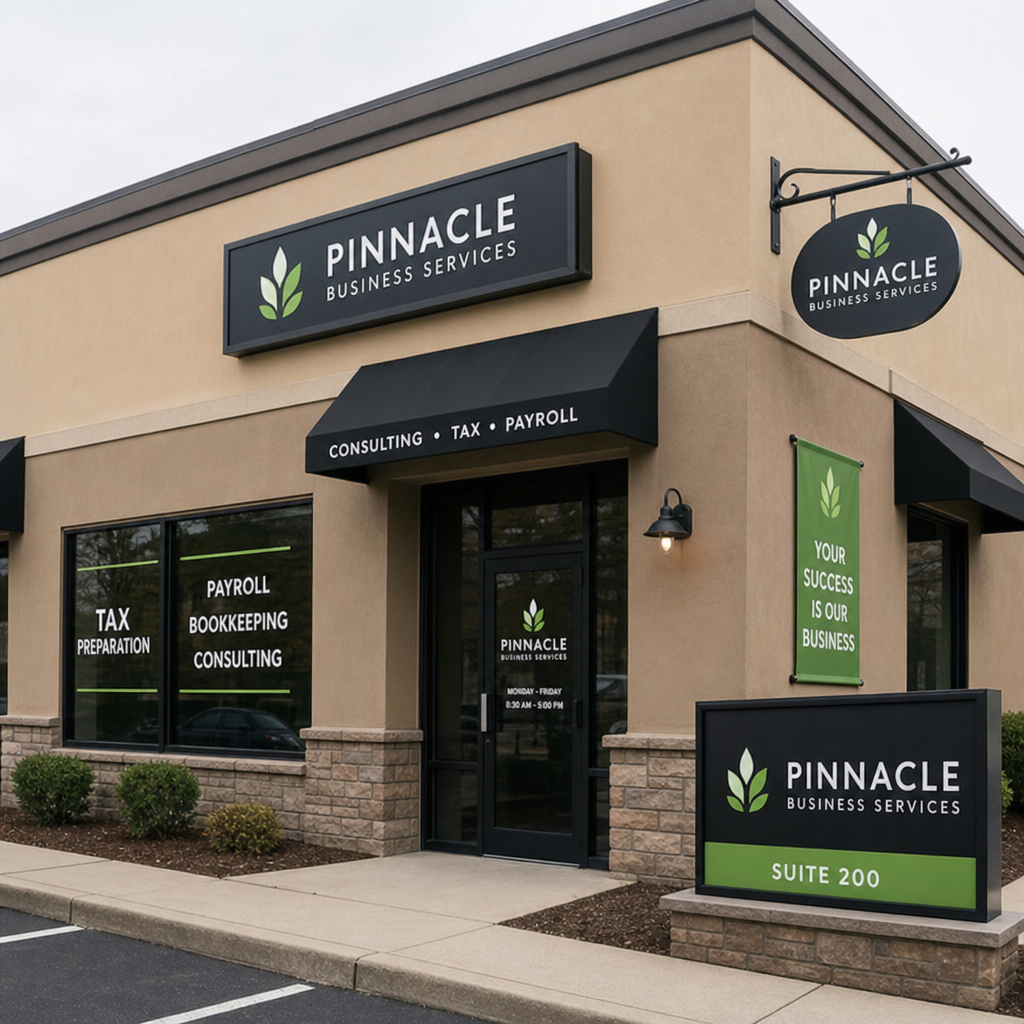
Outdoor signage is not only decoration. It helps people confirm they are in the right place, understand where to go, and form an impression of your business before any conversation begins. Channel letters, monument signs, and post-and-panel signs can all do that well when they are matched to the right environment.
If you are comparing outdoor signage options: channel letters, monument signs, post-and-panel choices should be evaluated by location, visibility, message, and long-term use. ProPrint Signs can help translate those needs into a practical sign solution that looks professional and works for the people trying to find you. Start with the site, keep the message clear, and choose the sign style that makes your business easier to notice, trust, and visit.