Outdoor signs work hard every day. They identify your location, invite customers in, and represent your brand through heat, rain, wind, dust, sun exposure, and routine wear. This guide to outdoor sign materials and finishes—durability, weather resistance, and maintenance considerations—will help you choose options that look good longer and fit the way your business actually uses signage.
At ProPrint Signs, the best sign choice starts with a practical question: where will the sign live, and what will it face there? A storefront panel under an awning, a freestanding roadside sign, and a temporary event sign all need different materials, finishes, and maintenance plans.
What makes an outdoor sign last?
An outdoor sign lasts when the material, print method, finish, mounting, and maintenance routine all match the environment. A strong panel can still fail early if the finish is wrong for full sun, and a beautiful printed face can fade or peel if it is not protected for outdoor exposure. Durability is not one feature; it is the result of choosing a complete sign system.
Think about outdoor signage in layers. The base material provides structure. The graphics create visibility and brand impact. The finish protects the surface from moisture, UV exposure, scratches, and grime. Hardware and installation keep everything secure, especially when wind and weather are part of the setting.
Before choosing based on appearance alone, consider these practical factors:
- Location: wall-mounted, window-mounted, roadside, post-and-panel, monument, fence, or event display.
- Exposure: direct sun, shade, rain, snow, humidity, salt air, irrigation spray, or heavy dust.
- Expected lifespan: short-term promotion, seasonal campaign, multi-year storefront sign, or long-term directional signage.
- Viewing distance: close-up details require a different approach than large, high-contrast roadside messaging.
- Maintenance access: signs that are difficult to reach should use more durable, lower-maintenance materials and finishes.
Common outdoor sign materials and where they work best
Different materials solve different problems. The right choice is not always the most expensive one; it is the one that balances appearance, durability, budget, and installation conditions.
Aluminum and metal signs
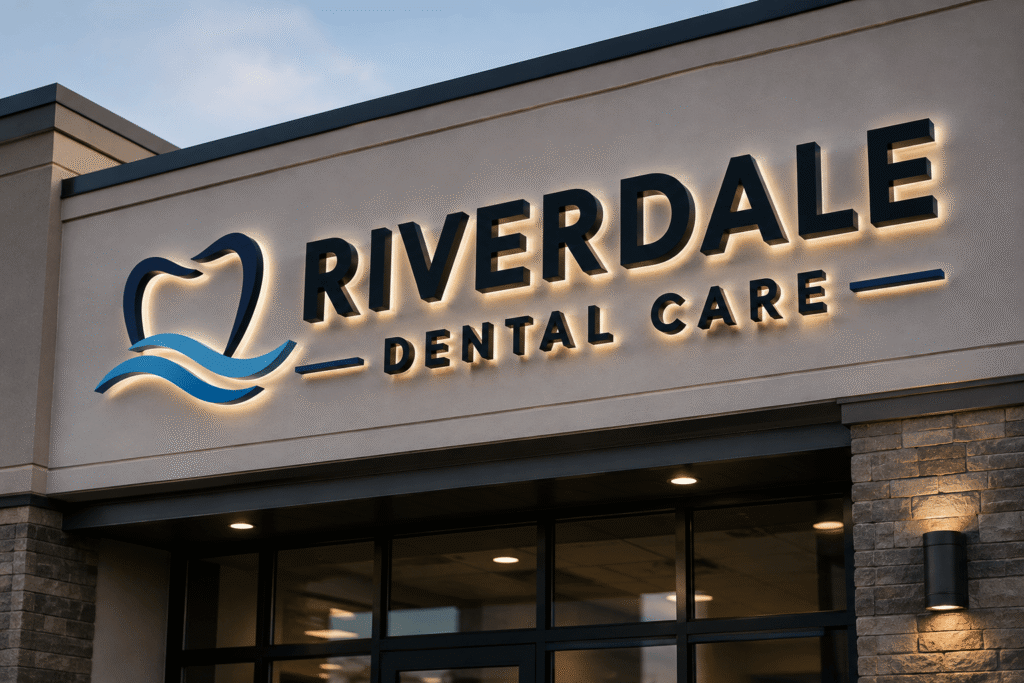
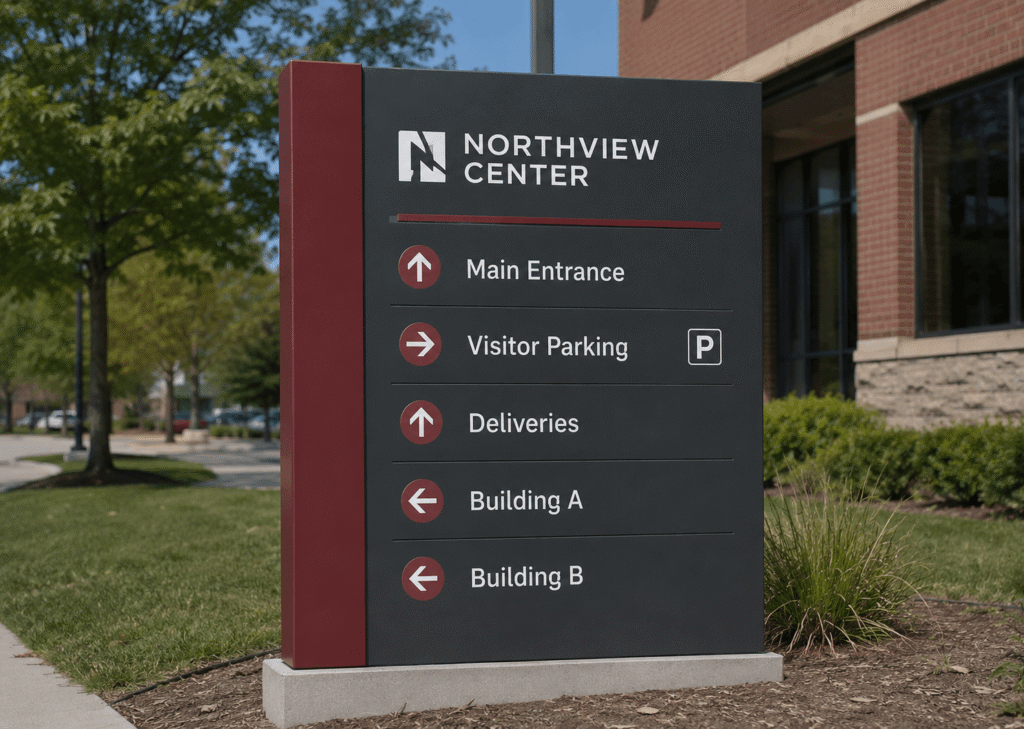
Aluminum is a popular outdoor sign material because it is rigid, clean-looking, and naturally resistant to rust. It works well for building signs, parking signs, directional signs, safety signs, and professional exterior branding. Aluminum composite panels, often made with thin aluminum faces bonded to a core, offer a smooth surface with good stability for many exterior applications.
Metal signs are a strong fit when you want a polished, professional look with dependable weather resistance. They can be printed, cut, shaped, or finished in ways that suit both simple business signage and more refined brand presentations. For longer life, the finish and edges should be considered carefully, especially in areas with frequent moisture or harsh weather.
Acrylic, polycarbonate, and dimensional plastics
Acrylic can create a crisp, modern appearance for exterior signs, especially when paired with dimensional lettering or illuminated sign faces. Polycarbonate is often chosen where impact resistance matters because it is tougher than acrylic in many demanding settings. These materials can support polished branding, but they need proper thickness, mounting, and finish selection to perform well outdoors.
Plastics are useful for businesses that want clean color, smooth surfaces, or dimensional effects. However, not all plastics react the same way to sun and temperature changes. If the sign will sit in direct sunlight all day, material selection and UV-resistant finishes become especially important.
PVC, corrugated plastic, and temporary signage
PVC and corrugated plastic are practical choices for short-term or medium-term outdoor uses. They are commonly used for promotions, real estate signs, yard signs, event signs, and temporary wayfinding. These materials are lightweight, cost-conscious, and easy to install in many locations.
They are not always the best fit for permanent exterior branding, especially in harsh climates or high-wind areas. For temporary messages, though, they can be effective and efficient. The key is to match expectations to the material: a seasonal promotion does not need the same construction as a long-term storefront identity sign.
Wood and specialty materials
Wood can create a warm, handcrafted, or rustic look for outdoor signs. It is often used for boutique businesses, farms, hospitality spaces, and community settings where character matters as much as polish. Because wood responds to moisture and temperature, it needs appropriate sealing, finishing, and periodic maintenance.
Specialty materials can also be used for dimensional, architectural, or brand-specific effects. These choices should be evaluated carefully for exposure, mounting, and upkeep. A unique sign can be a great brand asset, but it should still be built around real outdoor conditions.
Which finishes protect signs from weather and wear?
The best finishes protect the sign surface while preserving readability and brand appearance. Lamination, UV-resistant coatings, painted finishes, powder coating, and protective overlays can all help reduce fading, scratching, moisture damage, and everyday wear. The right finish depends on the material, the print method, and the type of exposure the sign will face.
A gloss finish can make colors appear vibrant and easy to clean, but it may create glare in bright sun. A matte finish can reduce reflections and give a more refined look, although it may show certain marks differently. Satin finishes often provide a balanced appearance between the two.
Protective finishes are especially important for printed graphics. Outdoor prints may need lamination or coatings that help defend against UV rays, abrasion, and moisture. For metal components, painted or powder-coated finishes can add both color and protection. For wood, sealers and exterior-grade coatings help manage moisture and surface wear.
When comparing finishes, ask what the sign needs to resist most:
- Sun exposure: choose UV-resistant graphics and coatings to help limit fading.
- Moisture: use materials and finishes suited for rain, humidity, sprinklers, or snow.
- Scratches and handling: add protective laminate or durable coatings where surfaces may be touched or cleaned often.
- Glare: consider matte or satin surfaces when readability matters in bright light.
- Brand presentation: match the finish to the look you want, from sleek and glossy to understated and architectural.
Durability depends on installation, not just material
Even the right material can underperform if it is poorly mounted. Outdoor signs need secure installation that accounts for wind load, surface type, sign weight, and local conditions. A lightweight temporary sign may only need simple hardware, while a permanent exterior sign may require more robust mounting and careful placement.
Placement also affects lifespan. A sign mounted where water collects, sprinklers hit it daily, or landscaping equipment brushes against it will experience more wear. Whenever possible, position signage to maximize visibility while reducing unnecessary exposure and impact.
Good installation also protects the sign’s appearance. Panels should sit flat, fasteners should be appropriate for the material, and edges should be handled in a way that discourages moisture intrusion. These details may not be obvious at first glance, but they matter over time.
How much maintenance do outdoor signs need?
Outdoor signs need regular, simple maintenance to stay clean, readable, and professional. Most signs benefit from periodic cleaning, visual inspections, and quick attention to loose hardware, peeling graphics, stains, or surface damage. Maintenance needs vary by material, finish, location, and weather exposure.
A practical maintenance routine does not have to be complicated:
- Clean gently: use mild cleaning methods appropriate for the material and finish.
- Avoid harsh abrasion: rough tools can scratch printed graphics, acrylic, painted surfaces, and laminates.
- Inspect edges and fasteners: look for lifting, corrosion, cracks, or loose mounting points.
- Watch for fading: if color is central to your brand, check whether sun-facing signs still match your desired appearance.
- Remove debris quickly: leaves, dirt, bird droppings, and pollutants can stain or dull surfaces over time.
- Plan seasonal checks: inspect signs after storms, winter weather, or high-traffic promotional periods.
For businesses with multiple signs, a simple checklist helps keep branding consistent across the property. It also helps identify small issues before they become expensive replacements.
Matching sign choices to business goals
The most effective sign is not just durable; it supports the purpose behind the message. A retail storefront may need a polished, permanent exterior sign that builds trust every day. A contractor may need rugged job site signs that are easy to transport and replace. A restaurant may need weather-resistant menu displays, window graphics, directional signs, and promotional signage that can change with the season.
Use this quick decision framework when planning your next sign:
- Choose metal or aluminum composite for professional, long-lasting exterior panels.
- Choose acrylic or dimensional plastics for clean, modern branding and specialty visual effects.
- Choose corrugated plastic or PVC for temporary, event, or promotional needs.
- Choose wood or specialty materials when brand character and texture are central to the design.
- Add protective finishes when the sign faces sun, moisture, frequent cleaning, or customer contact.
- Prioritize readability over decorative detail when the sign must be seen from a distance.
This guide to outdoor sign materials and finishes—durability, weather resistance, and maintenance considerations—comes down to making choices that fit real conditions, not just a design mockup. A sign that looks great indoors still needs to perform outdoors.
A lasting sign starts with the right conversation
Outdoor signage is an investment in visibility, trust, and customer experience. When the material and finish are chosen with care, your sign can stay cleaner, clearer, and more professional through daily exposure. When those choices are rushed, even a good design can age faster than expected.
ProPrint Signs helps businesses think through the practical details before production begins: where the sign will go, how long it needs to last, what weather it will face, and how it should represent the brand. Start with those questions, and you will be much closer to a sign that does its job beautifully for the long run.