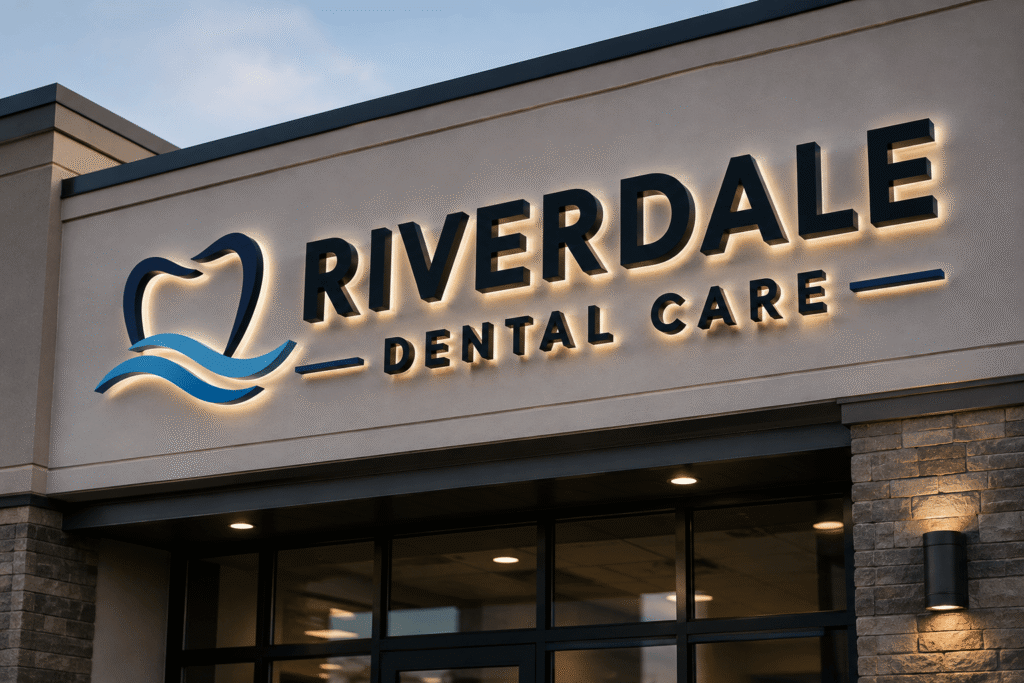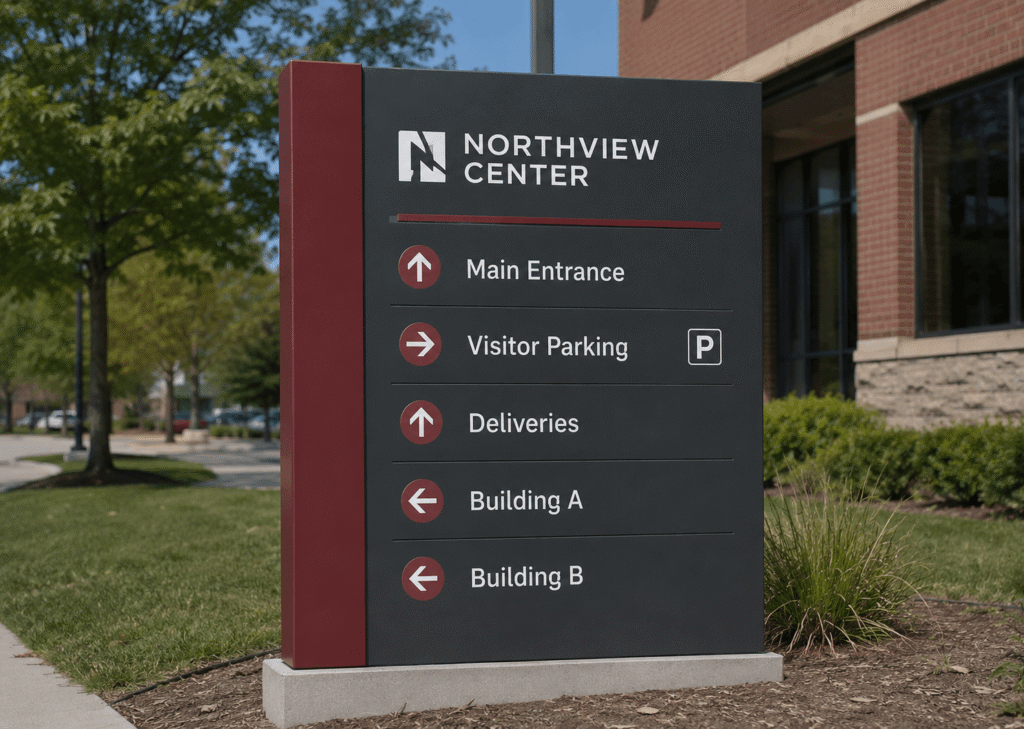
Your storefront windows are more than glass. They are daily advertising space, brand reinforcement, wayfinding, and sometimes a privacy solution all in one. With the right mix of lettering, promotional and decorative graphics, ProPrint Signs can help turn passersby into visitors while keeping your business looking polished from the street.
What can storefront window graphics do for your business?
Storefront window graphics can identify your business, promote offers, highlight services, guide customers, improve privacy, and make your location more inviting. They work because they meet people where they already are: walking by, parking nearby, or deciding whether to step inside. Instead of relying only on a sign above the door, your windows become part of the sales conversation.
For many businesses, window graphics are one of the most practical visual marketing tools because they can be simple, bold, and highly targeted. A café might use them to feature seasonal drinks. A salon might list key services and hours. A medical office might use frosted film to create privacy while still allowing natural light. Retail stores can use full-color promotional graphics to make new arrivals or limited-time offers impossible to miss.
When designed well, window graphics do not just decorate a storefront. They answer the customer’s first questions: Who are you? What do you offer? Are you open? Why should I come in?
Lettering builds trust at a glance
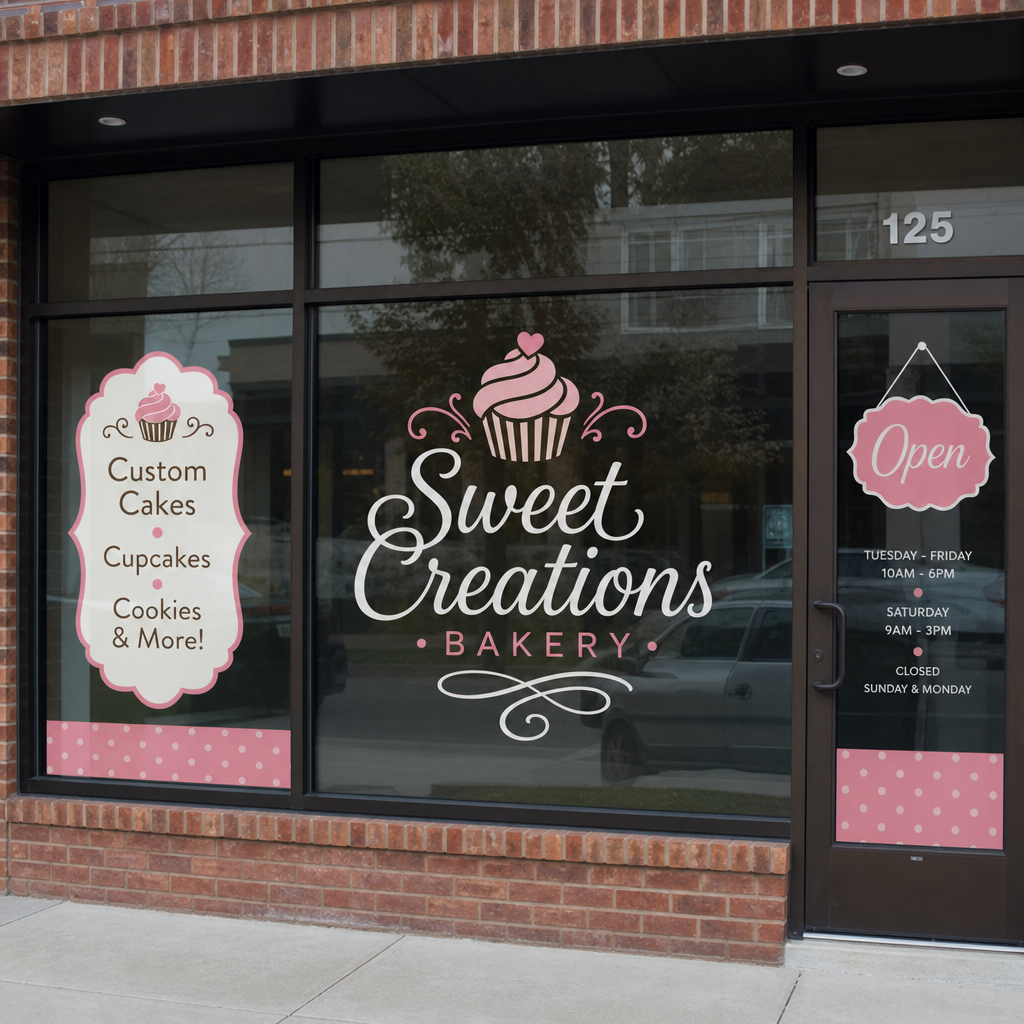
Clean storefront lettering gives your business a professional first impression. It can display your name, logo, hours, phone number, website, social media handle, suite number, or core services. Even when a customer already knows your brand, consistent lettering reassures them they are in the right place.
The best lettering is easy to read quickly. That means choosing the right size, contrast, placement, and amount of information. A beautiful script font may fit your brand, but if it disappears against reflections or cannot be read from the sidewalk, it is not doing its job. ProPrint Signs can help you balance brand personality with practical visibility.
Common uses for storefront lettering include:
- Business name and logo: A clear identity marker for walk-in traffic.
- Hours of operation: Helpful information that reduces confusion.
- Contact details: Phone, website, or booking information for after-hours visitors.
- Service lists: A concise way to show what you do without overcrowding the glass.
- Door lettering: Suite numbers, entry instructions, or appointment-only notices.
Lettering is often the foundation of window graphics for storefronts: lettering, promotional and decorative graphics all work better when the basic business information is clear.
Promotional graphics turn windows into campaign space
Promotional window graphics are designed to create action. They can announce a sale, showcase a product, promote an event, introduce a new service, or support a seasonal campaign. Unlike permanent signage, promotional graphics can be refreshed as your business priorities change.
A strong promotional graphic usually has one clear message. If the window tries to promote five things at once, the customer may remember none of them. Focus on the most important offer and support it with a simple visual hierarchy: headline first, key detail second, call to action third.
For example, instead of filling a window with small product descriptions, a retailer might feature one large “New Collection In Store” message with supporting imagery. A fitness studio might promote “Free Intro Class This Week” with a clear booking prompt. A restaurant might use the window to highlight lunch specials, catering, or online ordering.
To make promotional graphics more effective, keep these principles in mind:
- Lead with the benefit. Tell people what they gain, not just what you sell.
- Use readable contrast. Window glare, sunlight, and interior lighting all affect visibility.
- Keep the message short. People passing by often have only a few seconds to absorb it.
- Match your brand. Colors, fonts, and tone should feel connected to your other signage.
- Plan for timing. Seasonal graphics should be easy to remove or replace when the campaign ends.
The goal is not to cover every inch of glass. The goal is to make the right message visible at the right moment.
Decorative graphics create atmosphere and brand personality
Decorative window graphics add style without needing to be purely promotional. They can include patterns, borders, brand colors, custom illustrations, subtle icons, or partial coverage that enhances the look of the storefront. For hospitality, wellness, retail, and professional spaces, decorative graphics can help shape the mood before a customer walks in.
A boutique may use elegant line art or brand patterns to create a premium feel. A children’s learning center may use bright, playful designs to signal warmth and creativity. A professional office may prefer minimal etched-glass effects that feel calm and refined.
Decorative graphics also help solve practical design challenges. Large glass areas can look empty or unfinished without visual interest. Graphics can soften a harsh exterior, draw attention to an entrance, or create continuity between exterior signage and interior design. When used with restraint, decorative graphics make a storefront feel intentional rather than cluttered.
How do privacy window graphics work without closing off your space?
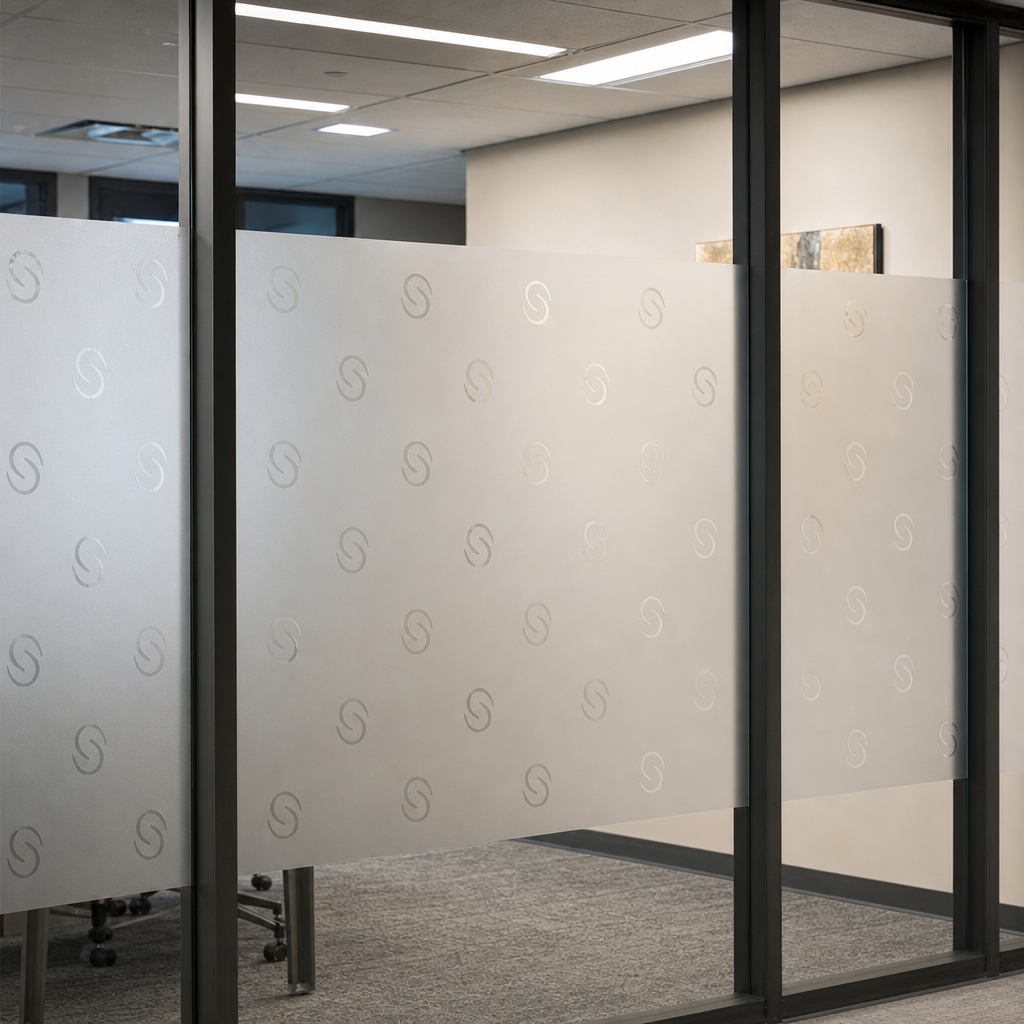
Privacy window graphics limit visibility into selected areas while still helping your storefront feel open and well-lit. Frosted, etched, or patterned films can obscure desks, treatment rooms, waiting areas, inventory, or staff-only zones without the heavy look of blinds or curtains. This makes them especially useful for offices, clinics, salons, studios, and service-based businesses.
Privacy graphics can be functional and branded at the same time. A frosted band across a conference room window can include a logo pattern. A spa or wellness business can use soft gradients or organic shapes to create a calming exterior. A street-facing office can protect client privacy while still presenting a clean, professional image.
The key is choosing the right level of coverage. Full privacy may be appropriate for treatment rooms, while partial coverage may be better for storefronts that still want customers to see activity inside. ProPrint Signs can help determine whether subtle film, patterned coverage, lettering, or a combined design will fit the space.
Smart design makes every inch work harder
Effective storefront window graphics start with strategy, not decoration. Before choosing colors or materials, think about what your windows need to accomplish. A busy shopping center storefront may need bold identification and a simple promotion. A quiet professional office may need privacy, trust, and tasteful branding. A new business may need to explain what it offers quickly.
Use this checklist before starting a window graphics project:
- Clarify the main goal: Branding, promotion, privacy, wayfinding, or visual appeal.
- Decide what must be readable from outside: Name, hours, offer, service, or call to action.
- Consider viewing distance: Sidewalk traffic, parked cars, and road visibility all matter.
- Account for reflections and lighting: Glass changes throughout the day.
- Leave breathing room: Empty space can make graphics easier to read and more premium.
- Coordinate with other signs: Window graphics should support, not compete with, your main signage.
- Think about maintenance: Choose designs that fit how often you want to update the display.
This is where professional layout matters. The right design can make a small window feel valuable, while the wrong layout can make even a large storefront feel busy or unclear.
Combining lettering, promotions, and privacy for a complete storefront
Many of the best storefront designs combine multiple types of graphics. Lettering handles the essential information. Promotional graphics create urgency. Decorative or privacy films improve the customer experience and support the brand’s look.
For example, a service business might use permanent door lettering for hours and contact details, frosted privacy film across lower windows, and a removable promotional decal for a seasonal offer. A retailer might keep branded lettering in place year-round while changing window graphics for storefronts: lettering, promotional and decorative graphics can be layered carefully so each element has a clear job.
The most important rule is hierarchy. Permanent information should feel stable and easy to find. Campaign messages should stand out without overwhelming the brand. Privacy elements should protect the space without making the business seem closed or unwelcoming.
A better storefront starts with a clearer message
Storefront windows are valuable marketing space, and using them well can make your business easier to find, understand, and enter. Whether you need professional lettering, bold promotional graphics, decorative branding, privacy film, or a thoughtful combination, the right design helps your storefront communicate before anyone opens the door.
ProPrint Signs can help you plan window graphics that fit your space, support your goals, and present your business with clarity. Start with what you want customers to notice first, then build a window display that makes that message visible, attractive, and easy to act on.