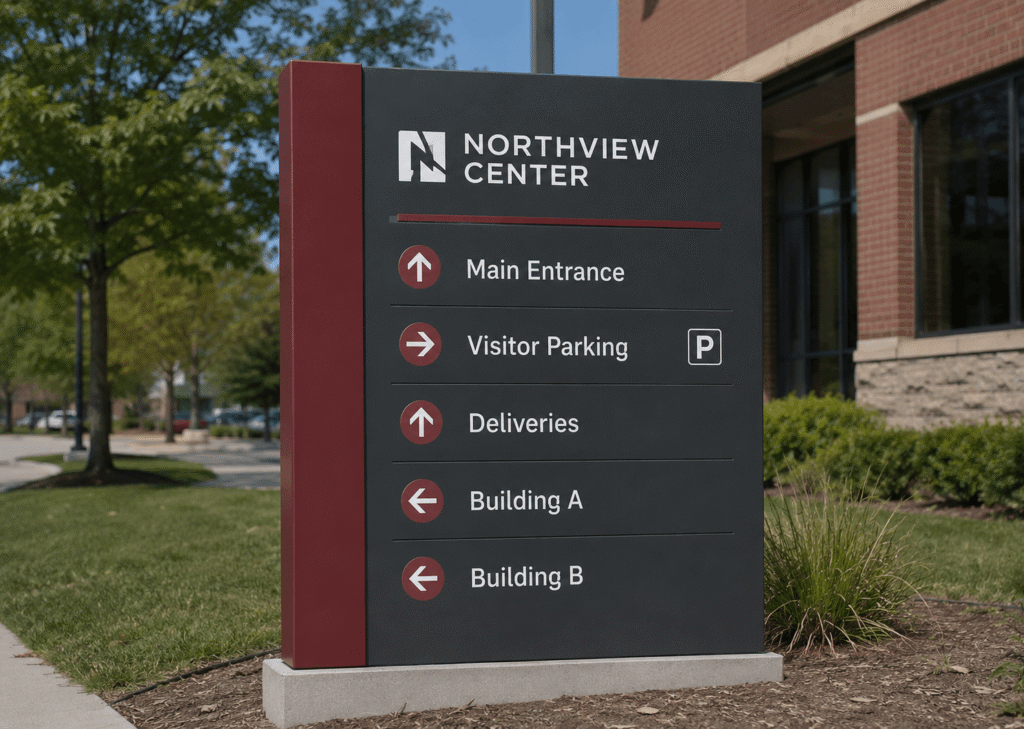
A rebrand should make your business feel sharper, clearer, and more recognizable, not disrupt your operations. Updating signs across storefronts, offices, vehicles, job sites, or multi-location facilities takes planning, but it does not have to mean closed doors, confused customers, or mismatched brand pieces. At ProPrint Signs, we think of this as managing a signage refresh across a business: brand consistency, phasing, and installation scheduling all need to work together from the start.
How do you update business signs without interrupting daily operations?
You update business signs without downtime by auditing every sign first, creating a phased rollout plan, producing approved assets in the right order, and scheduling installation around customer traffic, staff access, and site requirements. The goal is to make each change feel seamless: customers still know where to go, employees understand what is changing, and your brand appears consistent from the first refreshed sign to the final installation.
That starts with treating signage as an operational project, not just a design task. A new logo or color palette may be ready on screen, but physical signs have materials, measurements, mounting conditions, visibility needs, permitting considerations, and installation logistics. When those details are planned early, the refresh moves faster and creates fewer surprises.
Start with a complete signage audit
Before replacing anything, document what you already have. This step is easy to rush, especially if the rebrand feels urgent, but the audit is what prevents missed signs, inconsistent applications, and last-minute reorder costs. Walk every location, photograph each sign, and note its condition, size, purpose, placement, and visibility.
Your audit should include more than exterior signs. Interior wayfinding, lobby signs, window graphics, wall decals, parking signs, safety signs, event displays, directional signage, and vehicle graphics may all carry your old brand. If your business has multiple locations, assign the same audit process to each site so the information is comparable.
A practical signage audit should capture:
- Sign type: storefront, monument, lobby, directional, ADA, window, vehicle, trade show, temporary, or promotional.
- Location details: address, room, entrance, parking area, floor, or vehicle number.
- Current condition: keep, repair, replace, remove, or redesign.
- Priority level: customer-facing first, staff-facing later, or optional refresh.
- Installation notes: height, mounting surface, electrical needs, access restrictions, or landlord requirements.
- Brand impact: whether the sign is highly visible, mission-critical, or rarely seen.
This gives your team a clear map of the work ahead. It also helps ProPrint Signs recommend the right production and installation sequence instead of treating every sign as equally urgent.
Turn brand standards into sign-ready decisions
A rebrand usually includes updated logos, colors, typography, and messaging. Signage needs those elements translated into real-world applications. A color that looks bold on a digital screen may behave differently on vinyl, acrylic, aluminum, illuminated faces, or printed banners. Fine logo details may need adjustment for distance viewing or fabrication.
To keep brand consistency strong, decide how the new identity should appear across different sign types before production begins. This is especially important for businesses with several locations or departments. Without clear rules, small variations can multiply quickly: one lobby sign uses an outdated tagline, one vehicle graphic places the logo too small, and one window graphic uses the wrong color value.
Create a sign-focused brand checklist that confirms:
- Which logo version should be used on each sign type.
- Approved color specifications for printed and fabricated materials.
- Minimum logo sizes for visibility and legibility.
- Tagline, phone number, website, and social handle usage.
- Rules for temporary signs during the transition.
- Materials or finishes that best match the new brand personality.
This is where design and production should talk early. A clean file handoff helps, but a sign partner can also point out fabrication limits, visibility concerns, and material options before anything is ordered.
Build the refresh in phases
Trying to replace every sign at once may sound efficient, but it can create unnecessary pressure. Phasing gives you more control. It lets you prioritize the most visible or time-sensitive signs first while keeping business operations running normally.
For many businesses, the first phase should focus on high-impact customer touchpoints. Exterior signs, entrance graphics, reception signs, and directional signs shape first impressions and reduce confusion. The second phase can address interior brand moments, department signs, wall graphics, and secondary wayfinding. Later phases may include vehicle graphics, event displays, storage-area signs, or seasonal promotional materials.
A simple phased rollout might look like this:
- Phase 1: Critical visibility — storefront signs, main entrances, monument signs, and customer-facing directional signs.
- Phase 2: Interior experience — lobby signs, wall graphics, wayfinding, menu boards, office branding, and waiting areas.
- Phase 3: Mobile and field assets — fleet graphics, service vehicles, yard signs, site signage, and portable displays.
- Phase 4: Cleanup and consistency check — remove old branded pieces, inspect installations, and update any missed items.
Phasing also gives employees and customers time to adjust. If needed, temporary signs can bridge the gap between old and new, especially during construction, relocation, or staggered installation windows.
Schedule installation around real business activity
Installation scheduling is where a good plan protects your workday. Signs often need ladders, lifts, electrical access, parking clearance, wall preparation, or temporary removal of existing pieces. If those details are not coordinated, even a small installation can interrupt foot traffic or staff routines.
Look at your busiest hours, delivery schedules, building access rules, and customer flow before choosing installation times. Retail businesses may prefer early mornings or slower weekdays. Offices may choose evenings, weekends, or planned maintenance windows. Multi-location businesses should consider grouping nearby installations to reduce travel time and keep the rollout consistent.
Before installation day, confirm:
- Site access, keys, security procedures, and contact names.
- Parking or loading areas for installers.
- Any landlord, property manager, or facility approvals.
- Electrical shutoff needs for illuminated signs.
- Weather considerations for exterior graphics or mounting.
- Customer wayfinding if an entrance or parking area is temporarily affected.
The best installation schedule is not just convenient for the sign crew. It respects the customer experience and keeps your staff informed so they are not answering avoidable questions all day.
Communicate the change before customers notice gaps
Even a smooth rebrand benefits from communication. Tell your internal team what signs are changing, when installations will happen, and how to direct customers if a temporary sign is in place. For customer-facing businesses, a short message on your website, email newsletter, or social channels can help people recognize the new look.
This is especially useful if your old branding has been in place for years. Customers may notice the change before they understand it. Simple language works best: let them know your name, service, or ownership is staying the same if that is true, and explain that the refreshed signage is part of a broader brand update.
Internally, keep one person responsible for final approvals and site coordination. Too many reviewers can slow production, while unclear authority can lead to conflicting feedback. A single point of contact helps the project stay organized from proofing through installation.
Finish with a post-installation review
Once the new signs are installed, do a final walkthrough. Check that signs are level, clean, visible, correctly placed, and aligned with the approved design. Look for older branded materials that may have been missed, such as decals on side doors, outdated parking signs, small office plaques, or legacy graphics on vehicles.
This review is also a good time to create a signage record for the future. Save final artwork, measurements, materials, installation notes, and vendor contacts in one place. The next time you open a new location, replace a damaged sign, or launch a campaign, you will not be starting from scratch.
A smooth signage refresh comes down to coordination
A rebrand is more than a new visual identity; it is a coordinated customer experience. When signage is audited, standardized, phased, scheduled, and reviewed carefully, your business can present its new look without confusion or downtime.
ProPrint Signs helps businesses approach signage updates with practical planning and clean execution. If your brand is changing, start with the signs your customers see first, build a realistic rollout, and keep consistency at the center of every decision. Contact us today to get started.