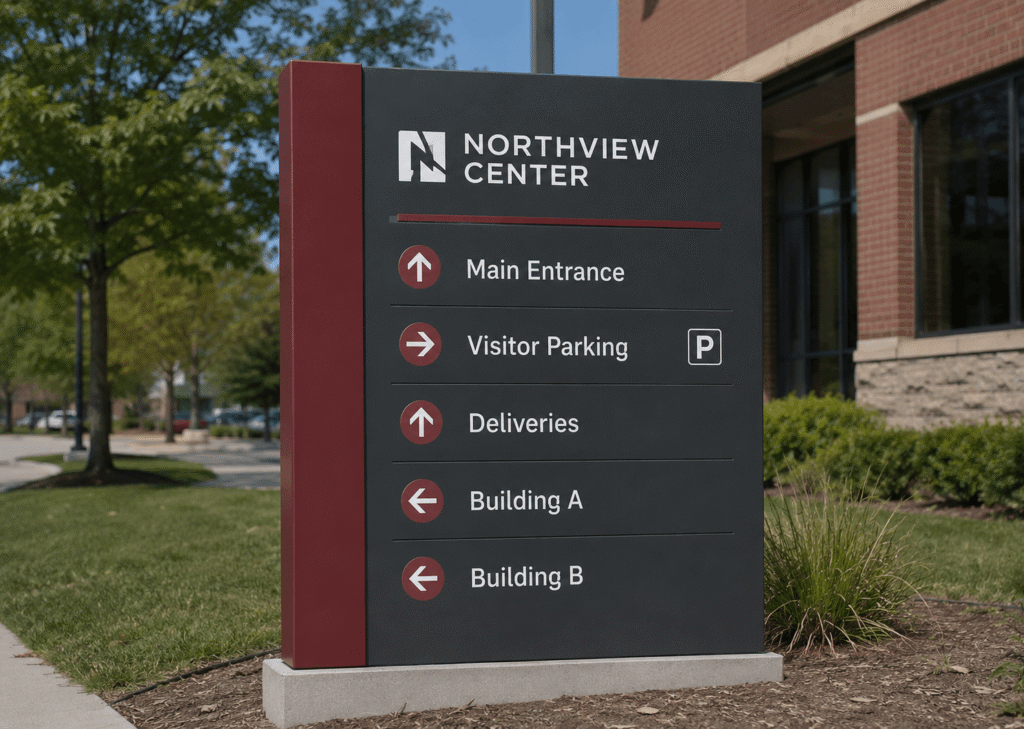
A well-planned construction sign system helps workers, visitors, drivers, and subcontractors understand hazards before they step into the wrong area. This guide covers construction safety signage essentials, including compliance, durability, and placement best practices, so you can build a safer, clearer jobsite without overcomplicating the process. For teams working with ProPrint Signs, the goal is simple: choose signs that are easy to read, tough enough for the site, and placed where people need the warning most.
What construction safety signs do you actually need?
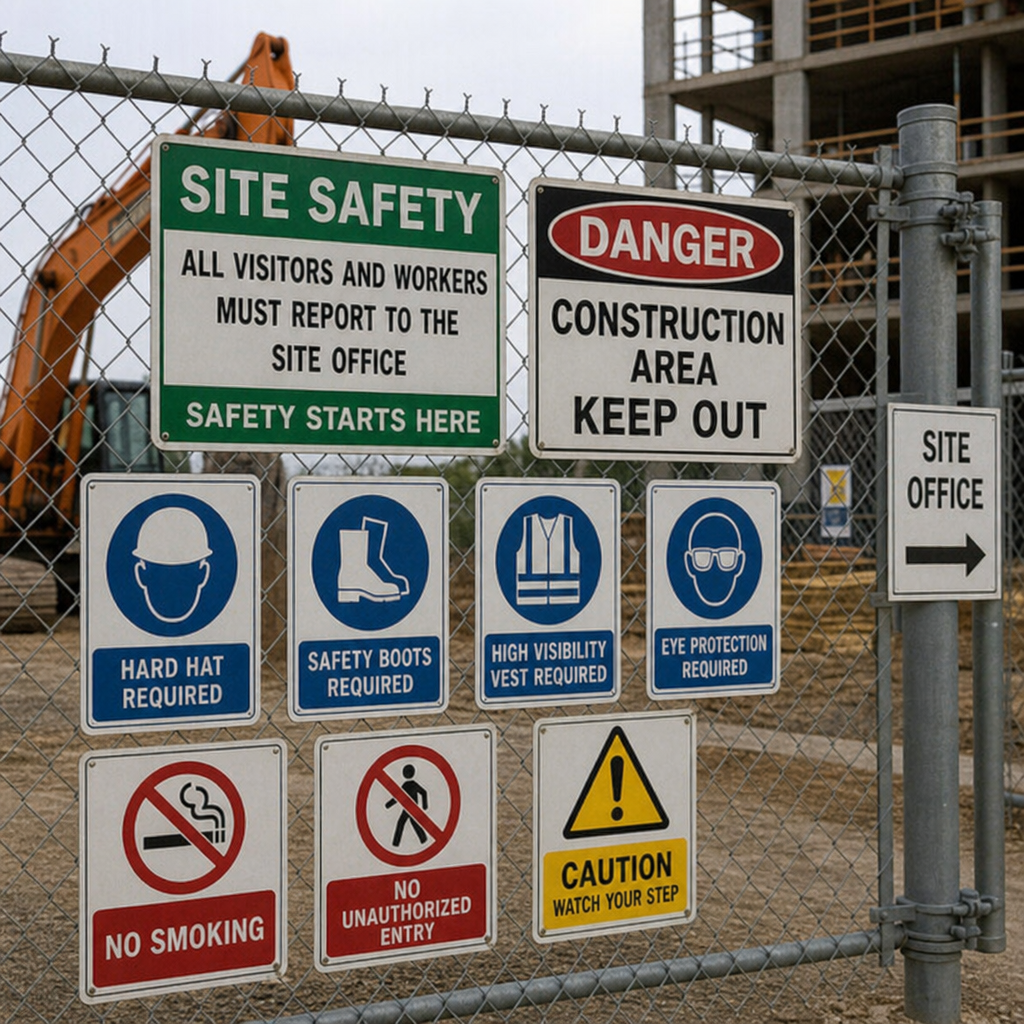
Most construction sites need a mix of hazard, access, traffic, directional, PPE, and emergency signs. The right set depends on the work being performed, the layout of the site, the public exposure around it, and any hazards that change as the project progresses. OSHA’s construction standard for accident prevention signs and tags requires covered signs and symbols to be visible while work is being performed and removed or covered promptly when hazards no longer exist. (osha.gov)
A practical jobsite sign plan usually includes:
- Danger signs for immediate hazards, such as high voltage areas, confined spaces, crane swing zones, or other conditions where serious harm could occur quickly. OSHA specifies that danger signs are used only where an immediate hazard exists and identifies red as the predominant upper-panel color. (osha.gov)
- Caution signs for potential hazards or unsafe practices, such as uneven ground, wet concrete, low overhead clearance, or moving equipment. OSHA identifies yellow and black as the key caution sign colors. (osha.gov)
- PPE reminder signs at entrances and task areas, including hard hat, eye protection, hearing protection, gloves, high-visibility clothing, or respiratory protection notices.
- Restricted access signs for fencing, gates, stair towers, roof access, equipment yards, and temporary exclusion zones.
- Traffic and pedestrian control signs for delivery routes, truck exits, detours, flagger stations, loading areas, and walkways. OSHA requires legible traffic control signs and devices at points of hazard, and construction traffic control devices for worker protection must conform to Part 6 of the MUTCD. (osha.gov)
- Emergency and directional signs for first aid, eyewash stations, fire extinguishers, muster points, exits, and site offices.
Compliance is the baseline, clarity is the daily value
Compliance matters because signs are part of a broader safety system, not decoration. They support training, reinforce site rules, and make hazards visible to people who may not be familiar with that day’s work. But a compliant sign that is too small, hidden behind equipment, damaged by weather, or written in confusing language will not do its job.
Think of each sign as a decision point. A worker approaching a trench should know whether access is restricted, whether fall protection is required, and where the safe path begins. A delivery driver should know where to enter, where to stop, and where pedestrians may cross. Clear wording, recognizable colors, and consistent placement reduce hesitation and help people respond correctly.
For best results, avoid crowding one location with too many messages. If every sign screams for attention, none of them stands out. Put the most urgent warning closest to the hazard, then use supporting directional or procedural signs along the approach.
Durable signs prevent safety messages from disappearing
Construction sites are hard on signage. Wind, rain, UV exposure, dust, mud, vibration, impacts, and frequent relocation can quickly turn a readable sign into background clutter. Durability is not just about looking professional; it protects the message for the full period the hazard exists.
When choosing materials, consider:
- Outdoor exposure: Use weather-resistant materials and inks for signs that will face sun, rain, and temperature swings.
- Mounting conditions: Fence signs, post-mounted signs, wall signs, and equipment labels each need different fastening methods.
- Visibility needs: Reflective or high-contrast options can help where signs must be seen near traffic routes, during early mornings, or in low-light areas.
- Expected lifespan: A short-term interior notice may not need the same material as a perimeter warning sign that must last for months.
- Cleaning and wear: Muddy or dusty environments benefit from surfaces that remain readable after wiping or rinsing.
A useful rule: match the sign to the hazard and the environment. Temporary does not mean flimsy if the sign protects people from a serious risk.
Where should construction safety signs be placed?
Construction safety signs should be placed where they give people enough time to notice, understand, and act. That means signs belong at entrances, approaches to hazards, decision points, equipment zones, traffic paths, and emergency locations—not only directly on the hazard itself. Placement should follow the way people actually move through the site.
Start with the site entrance. This is where general rules belong: PPE requirements, visitor check-in, restricted access, emergency contact information if appropriate, and major site warnings. From there, place signs along the path of travel before someone reaches a hazard. A warning at the edge of an excavation is less useful than a warning posted before the turn that leads to it.
High-value placement areas include:
- Perimeter fencing and gates to warn the public and control unauthorized access.
- Main worker entry points to reinforce PPE and check-in procedures.
- Equipment routes and crossings to separate vehicles from pedestrians.
- Excavations, trenches, and floor openings to warn before the fall or collapse hazard.
- Electrical rooms, panels, and temporary power areas to identify shock or arc-flash risks where applicable.
- Material storage and chemical areas to communicate handling restrictions and required protection.
- Emergency stations so first aid, fire protection, eyewash, and evacuation points are easy to find quickly.
A simple sign planning checklist
Before ordering or installing signs, walk the site with a safety lead, superintendent, or project manager. Look at hazards from the perspective of a new worker, a visitor, a delivery driver, and a passerby outside the fence.
Use this checklist to tighten the plan:
- Identify hazards that are current, recurring, or likely to appear in the next phase.
- Decide which hazards need danger, caution, warning, directional, or instruction signs.
- Confirm that wording is short, direct, and easy to understand at a glance.
- Choose materials based on weather, mounting surface, project duration, and visibility.
- Place signs before the hazard, at the hazard, and at decision points when needed.
- Remove, replace, or cover signs when conditions change so outdated warnings do not create confusion.
- Inspect signs regularly for fading, dirt, damage, obstruction, or poor positioning.
Signage works best when it changes with the site
A construction site is never static. Excavations are filled, routes shift, temporary power moves, scaffolding goes up and comes down, and subcontractors create new work zones. Your signage should change with that rhythm.
Schedule sign reviews during major phase changes, after severe weather, when traffic patterns change, and before high-risk activities begin. If workers have created informal paths around barriers or if delivery trucks are missing the intended route, the signs may need to move. Safety signage is most effective when it reflects the real site, not last month’s layout.
The takeaway for safer, clearer jobsites
Good construction signage combines the right message, the right material, and the right location. Compliance gives you the foundation, durability keeps the message visible, and thoughtful placement turns signs into practical safety tools. If you are planning construction safety signage essentials, including compliance, durability, and placement best practices, ProPrint Signs can help you think through signs that support a cleaner, more confident jobsite from the gate to the work zone.