Choosing between a full vehicle wrap and vehicle lettering comes down to visibility, budget, message complexity, and how long you plan to use the vehicle as a marketing asset. ProPrint Signs helps businesses think through these tradeoffs so their mobile branding looks professional and works hard on the road. Vehicle wraps and vehicle lettering for mobile advertising can both deliver strong value, but the best return on investment depends on matching the format to your goals.
Which option gives your business the better return?
The better ROI is usually the option that gets your brand noticed clearly, fits your budget, and stays useful for the expected life of the campaign. A full or partial wrap is often stronger when you want bold visual impact, brand recognition, and a more polished fleet presence. Vehicle lettering is often better when you need a clean, affordable way to display your company name, phone number, website, and core service without covering the whole vehicle.
In other words, ROI is not just about the lowest upfront cost. It is about how effectively the vehicle turns everyday driving, parking, service calls, and deliveries into brand impressions. A wrap may cost more at the start, but it can make a stronger impression in busy traffic or competitive markets. Lettering may be simpler, but it can still create consistent local visibility at a lower investment.
Vehicle wraps create a high-impact mobile billboard
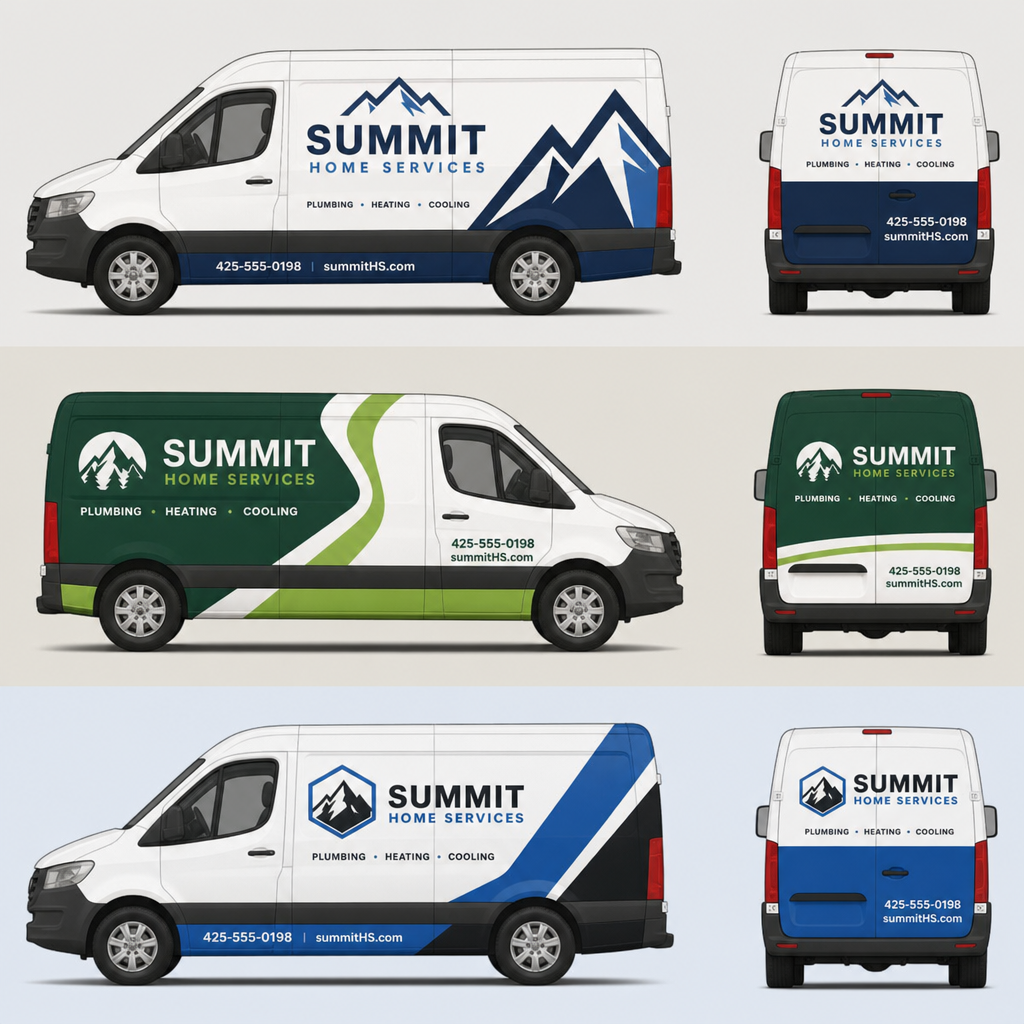
Vehicle wraps are designed to transform the look of a car, truck, van, trailer, or fleet vehicle. They can use large graphics, bold colors, photos, patterns, brand elements, and full-panel coverage to make the vehicle stand out. For businesses that rely on recognition, trust, and memorable visuals, this can be a major advantage.
A wrap is especially useful when your brand has a strong visual identity or when your services are easier to understand through imagery. A landscaper might show clean outdoor spaces, a food business might feature appetizing product photos, and a contractor might use bold colors to make a work truck look established and professional. The vehicle becomes more than transportation; it becomes a moving brand asset.
Wraps also help create consistency across a fleet. When multiple vehicles share the same colors, layout, logo placement, and message hierarchy, the business looks more organized and recognizable. That consistency can support trust before a customer ever speaks with your team.
The tradeoff is that wraps usually require more design planning, more material, and a larger installation commitment than lettering. For that reason, they tend to make the most sense when you want long-term visibility, a premium look, or a campaign that depends on strong first impressions.
Vehicle lettering keeps the message simple and cost-conscious
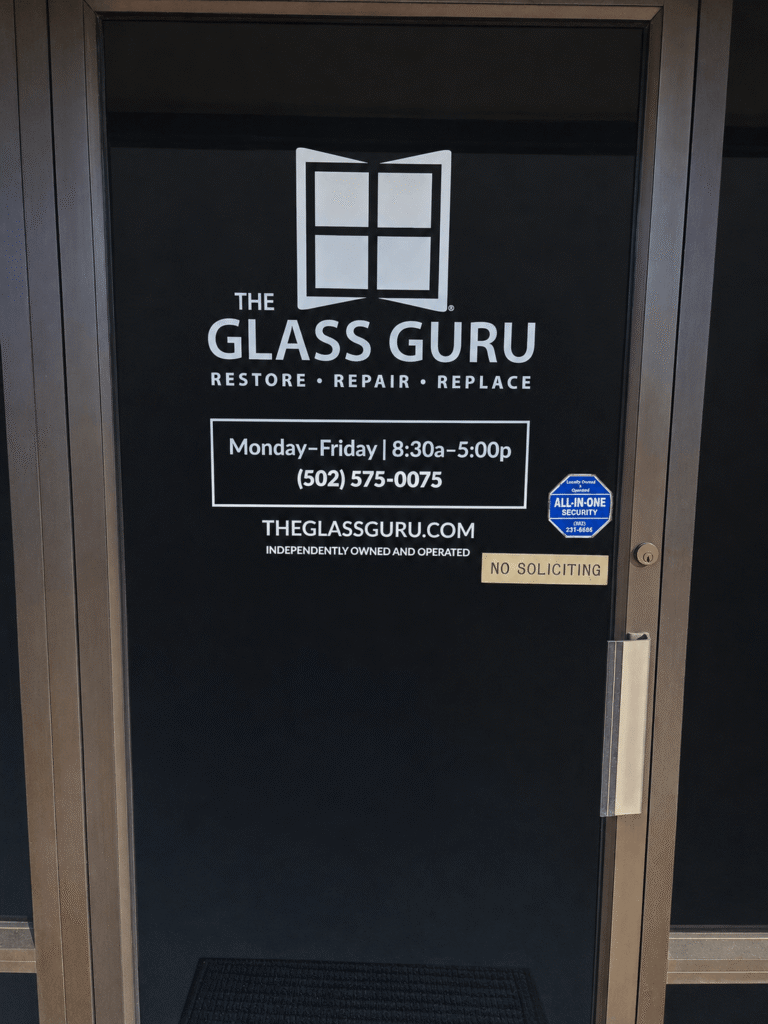
Vehicle lettering uses cut vinyl or similar graphic elements to place key business information directly on the vehicle. It may include your logo, company name, phone number, website, service list, license details if relevant, or a short tagline. The result can be clean, professional, and easy to read.
For many local businesses, that simplicity is exactly what makes lettering effective. A parked service van with clear lettering can tell nearby homeowners who you are, what you do, and how to contact you. A delivery vehicle with readable branding can reinforce your name across neighborhoods without requiring a full custom graphic treatment.
Lettering is also flexible. If your business is newer, your message is still evolving, or you want to brand several vehicles without a large design overhaul, lettering can be a practical starting point. It gives you visibility while keeping the focus on the essentials.
The main limitation is visual impact. Lettering can look sharp, but it may not command attention the same way a colorful wrap does. If your vehicle needs to stand out from a distance or compete visually in a crowded environment, lettering may need stronger design choices, larger placement, or supporting graphics to perform well.
The ROI factors that matter most
Before choosing, look beyond the install price and think about how the vehicle will actually be used. A design that looks great in a proof but cannot be read in traffic will not deliver its full value. Likewise, a premium wrap may be unnecessary if your goal is simply to identify a work truck at job sites.
Consider these practical factors:
- Daily exposure: Vehicles driven frequently through high-traffic areas may justify bolder graphics because more people will see them.
- Parking visibility: If your vehicle sits near storefronts, job sites, events, or busy streets, readable branding can keep working even when parked.
- Message complexity: A wrap can support more visual storytelling, while lettering works best with concise information.
- Brand stage: Established brands may benefit from a polished wrap, while newer businesses may prefer adaptable lettering.
- Vehicle condition and shape: Clean, well-maintained surfaces and simple panel areas often support better-looking graphics.
- Fleet consistency: If you plan to brand several vehicles, a repeatable design system can improve recognition.
- Expected lifespan: Longer-term use can make a more comprehensive design investment easier to justify.
A strong ROI decision balances these details instead of treating wraps and lettering as interchangeable products.
When does a wrap make more sense?
A wrap makes more sense when visibility and brand impact are central to the campaign. If your vehicle is one of the most public-facing parts of your business, a wrap can help it look intentional, polished, and memorable. It is a good fit when you want the vehicle to promote your brand even before someone reads the smaller details.
Wraps are often worth considering when you want to:
- Make a strong impression in competitive local markets.
- Use color, imagery, or large graphics to explain your service quickly.
- Create a uniform look across multiple company vehicles.
- Support a rebrand or launch with a more noticeable presence.
- Turn a plain vehicle into a professional marketing tool.
The best wraps are not just “loud.” They are strategically designed. The logo should be easy to identify, contact details should be legible, and the main service message should be understandable in just a few seconds. ProPrint Signs can help simplify the layout so the finished wrap is attractive without becoming cluttered.
When lettering is the smarter investment
Lettering is often the smarter investment when your main goal is clear identification and direct response. If customers need to know your name, trade, phone number, and website, clean lettering can accomplish that efficiently. It avoids unnecessary complexity and keeps the message focused.
This option is especially practical for trades, local services, small fleets, delivery vehicles, and businesses that want professional branding without a full-coverage design. It can also be useful when the vehicle color already works well with your brand. In that case, lettering can complement the existing paint rather than covering it.
Lettering may also be the right choice if you want to update information more easily. Business phone numbers, URLs, service lists, and branding details can change over time. A simpler graphic setup may make future adjustments more manageable than reworking a complex wrap design.
Design quality affects the return as much as the format
Whether you choose a wrap or lettering, design quality has a direct effect on performance. A crowded wrap can be less effective than simple lettering if people cannot read it quickly. On the other hand, small or poorly placed lettering can disappear on the road, reducing the value of the investment.
A good vehicle graphic design should prioritize:
- Readability: Use strong contrast, clean fonts, and large enough text for real-world viewing.
- Message hierarchy: Put the business name, primary service, and contact method in a clear order.
- Brand consistency: Match colors, logos, and tone to your other marketing materials.
- Smart placement: Consider doors, rear panels, windows, curves, handles, and sightlines.
- White space: Leave breathing room so the message is easier to absorb.
This is where professional guidance matters. ProPrint Signs can help businesses avoid common mistakes, such as putting too much information on one side of the vehicle or making contact details too small to read.
A practical way to choose
If you are deciding between Vehicle wraps and vehicle lettering for mobile advertising, start with your primary goal. Do you need maximum attention, a premium brand presence, and a visually memorable vehicle? A wrap may be the better fit. Do you need a professional, budget-conscious way to display essential information? Lettering may deliver the stronger ROI.
For some businesses, the best answer is a hybrid approach. Partial wraps, spot graphics, decals, and lettering can work together to create a design that feels more dynamic than lettering alone but less involved than a full wrap. This middle ground can be especially helpful when you want strong branding while staying focused on practical value.
Final takeaway
Vehicle wraps and vehicle lettering both turn everyday travel into marketing opportunities. Wraps typically win on visual impact and brand presence, while lettering often wins on simplicity, flexibility, and cost-conscious visibility. The best ROI comes from choosing the option that matches how your vehicle is used, what your audience needs to remember, and how your brand should appear in public.
If you are unsure which direction fits your business, ProPrint Signs can help you compare your goals, vehicle type, and design needs before you commit. The right choice should look good, read clearly, and keep promoting your business wherever the road takes you.